Key takeaways
- Car valeting has become more common due to finance agreements
- resale awareness and longer ownership periods.
- Modern car interiors are harder to keep clean and visually date faster than older vehicles.
- Social media and lifestyle culture have changed expectations around vehicle presentation.
A clean car no longer feels like a treat. For many people, it feels like protecting one of the most expensive things they own.
There was a time when car valeting sat somewhere between luxury and chore. Something you booked before selling a vehicle, after a family holiday, or when the inside had become impossible to ignore.
Now it has become something else entirely.
Across the UK, professional car valeting has quietly moved into everyday life. Driveways glisten on quiet residential streets. Mobile detailers arrive with water tanks, extension leads, extraction machines and polishing lights. Even people who once washed cars with an old sponge on a Sunday morning now talk about paint protection, interior restoration and maintenance washes.
The shift is not just about aesthetics. It reflects how modern Britain now thinks about ownership, finance, presentation and value.
Quick Answer
Car valeting has become increasingly popular in the UK because modern vehicles are more expensive to replace, more commonly financed, and more closely judged by resale condition than ever before.
At the same time, social media, longer ownership cycles and rising expectations around vehicle presentation have turned clean, well-maintained vehicles into both a financial and lifestyle priority.
For many households, valeting is no longer viewed as indulgence. It is seen as protecting value, reducing wear and making daily life feel more manageable.
Key Takeaways
- Modern car finance agreements have increased awareness around vehicle condition.
- Drivers are keeping vehicles longer because replacement costs feel harder to absorb.
- Interior cleanliness now affects comfort, stress and perceived ownership quality.
- Professional detailing culture has become mainstream through social media and lifestyle content.
Cars Have Become Far More Expensive to Replace
One of the biggest reasons car valeting has grown is simple: cars now feel like bigger financial commitments.
Even relatively ordinary family vehicles can represent years of monthly payments, insurance costs, maintenance bills and depreciation. For many households, the car is one of the most expensive things they own after their home.
That changes psychology.
When people spend years paying for a vehicle, they naturally become more aware of maintaining it properly. Small scratches feel larger. Stained upholstery matters more. A neglected interior no longer feels harmless when the vehicle itself represents a major household cost.
“Condition changes value long before mileage does.”
A well-kept car photographs better, sells more easily and often feels newer for longer, even when it is mechanically no different from a neglected one.
Finance Agreements Changed How Drivers Think
PCP, leasing and hire purchase have made drivers more conscious of vehicle condition throughout ownership, not just when it is time to sell.
Modern finance structures often make people think harder about:
- Interior wear
- Paint condition
- Alloy wheel damage
- Odours and staining
- Scratches, scuffs and neglect
Even when drivers are not facing formal end-of-agreement charges, the idea of future value sits quietly in the background.
A clean, maintained vehicle feels easier to trade, refinance or sell privately. Neglect feels financially risky in a way it perhaps did not twenty years ago.
The rise of online vehicle marketplaces has reinforced this further. Cars are now judged instantly through photographs. Dirt ages a vehicle visually before buyers even ask about service history.
Modern Car Interiors Are Harder to Live With
Modern vehicles look cleaner and more minimal than older cars, but they often show dirt faster.
Piano black trim scratches easily. Large touchscreens collect fingerprints constantly. Light-coloured headliners stain more visibly. Gloss plastics show dust almost immediately. Fabric seats absorb family life faster than most owners expect.
Children, pets, takeaway coffees, gym bags, muddy shoes and school-run clutter turn interiors into high-use spaces. Larger SUVs and hatchbacks often carry more mess simply because they have the room for it.
Many households are not chasing perfection. They are trying to stop the car quietly becoming unpleasant.
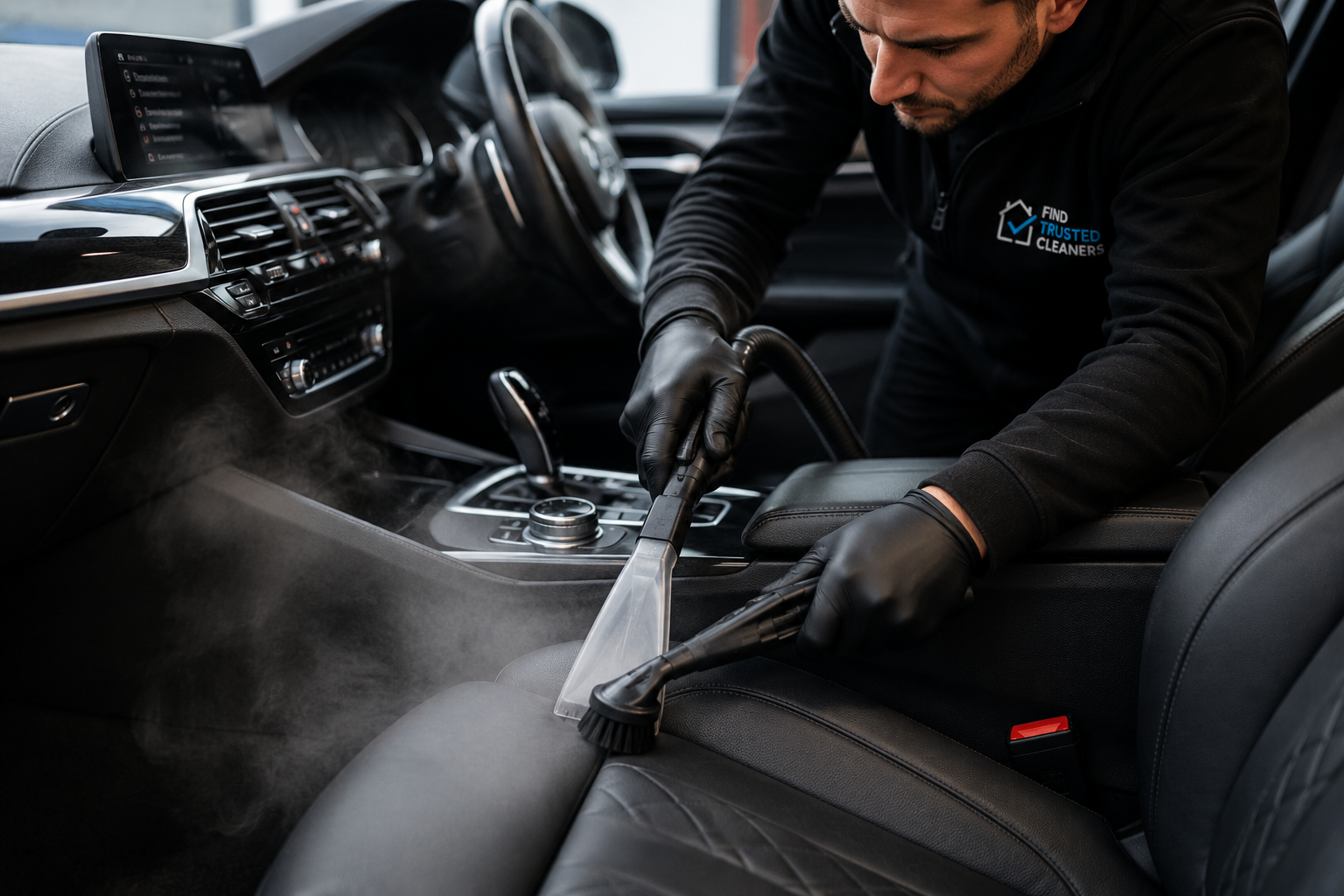
This is partly why interior valeting has become so valued. Steam cleaning, fabric extraction, leather care and odour removal appeal as much to comfort as appearance.
A freshly cleaned car interior changes how a commute feels. The air smells lighter. Surfaces feel calmer. The car feels less like a container for the week’s chaos.
Social Media Turned Detailing Into Lifestyle Culture
Car cleaning content became popular because it offers transformation, satisfaction and aspiration in one neat visual package.
Foam cannons, pressure washers, ceramic coatings and paint correction videos turned detailing into entertainment. Platforms such as YouTube, TikTok and Instagram helped move valeting from functional maintenance into lifestyle identity.
People who never cared about detailing terminology suddenly understood:
- Snow foam
- Paint correction
- Ceramic coatings
- Hydrophobic protection
- Interior extraction cleaning
The visual transformation matters. A professionally detailed car photographs beautifully. Reflections sharpen. Paint deepens. Interiors regain that crispness manufacturers spend so much time designing.
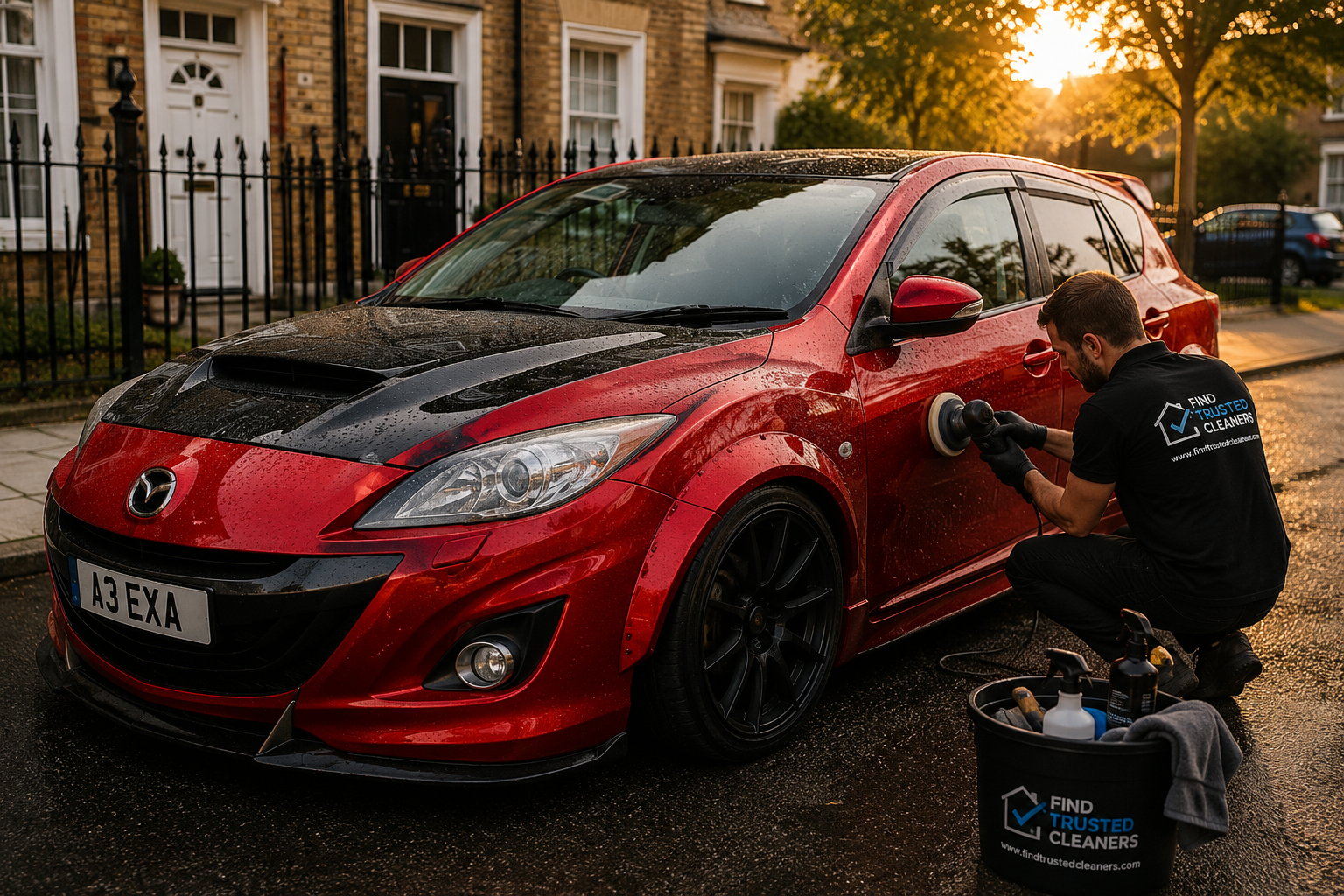
Modern valeting culture also overlaps with wider reset culture. People want cleaner homes, calmer interiors and better-kept possessions. The car has simply joined that list.
Cars Became Extensions of Personal Space
Many people now spend enough time inside vehicles for cleanliness to affect mood, comfort and daily routine.
For some households, the car functions as:
- A commuter space
- A school-run hub
- A mobile office
- A weekend family carrier
- A quiet place between responsibilities
That naturally increases awareness of cleanliness.
Bad smells feel worse in enclosed spaces. Dust becomes more noticeable in sunlight. Stained seats subtly change how ownership feels.
Good valeting restores atmosphere as much as presentation.
In many ways, car valeting mirrors what happened with home interiors. People became more aware of environment, surfaces, light and sensory comfort.
The Rise of Mobile Valeting
Mobile valeting helped make professional car care feel practical rather than specialist.
Instead of dropping a vehicle off for a day, many drivers can now book a detailer to visit their home or workplace with professional equipment.
Mobile detailers may use:
- Water tanks
- Generators or battery-powered tools
- Steam cleaning equipment
- Extraction machines
- Polishing equipment
- Interior and exterior protection products
This convenience changed the customer profile. Busy professionals, parents and older households increasingly saw valeting as a realistic form of maintenance rather than something only enthusiasts booked.
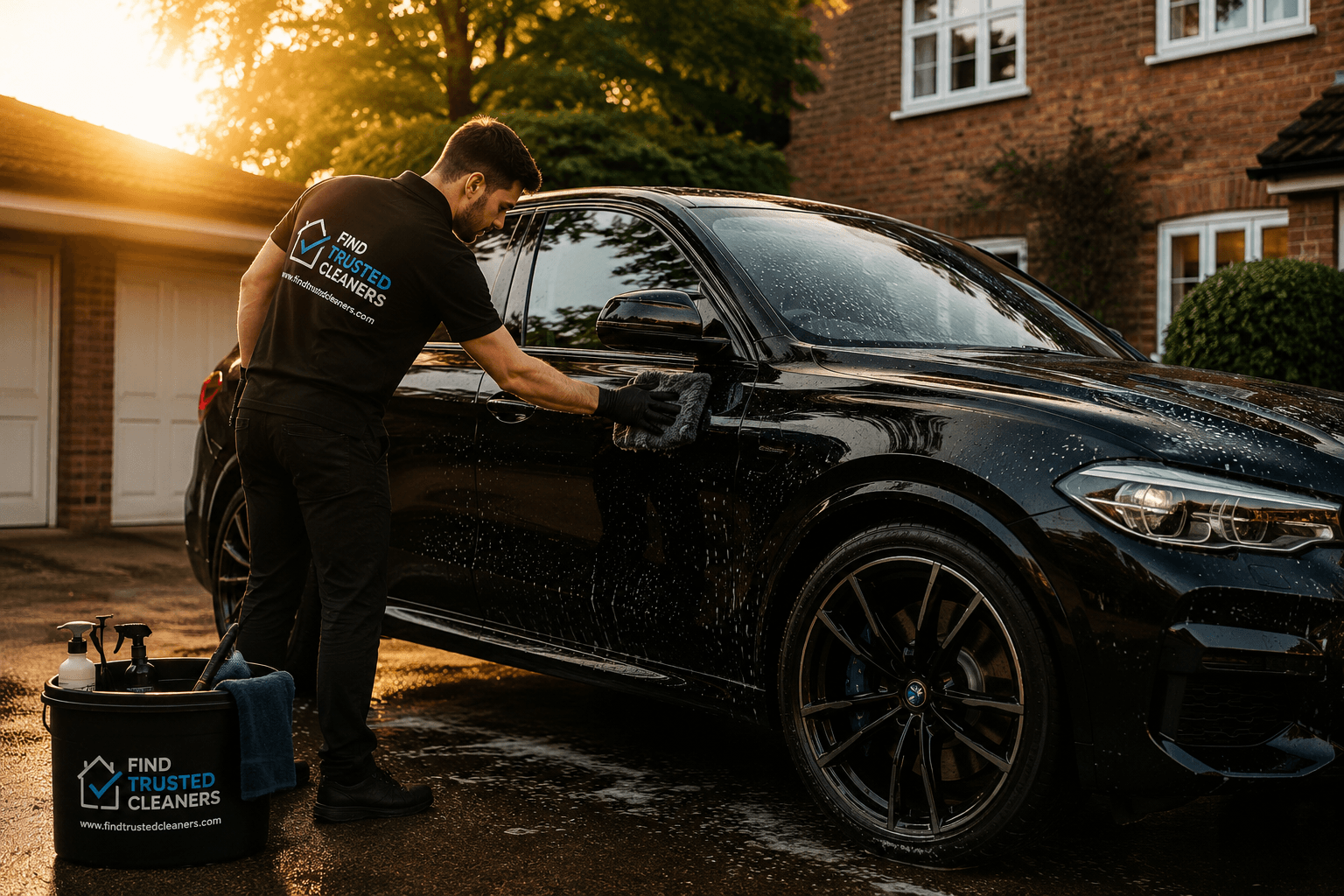
The service also photographs well. A detailer working quietly on a driveway under soft evening light feels organised, premium and reassuringly tangible.
UK Weather and Roads Make Cars Dirtier Faster
The British climate gives car paintwork and interiors a hard life.
Rainwater, road salt, motorway film and winter moisture build up quickly, particularly during colder months. Rural roads add mud and hedge debris. Urban roads leave traffic film and brake dust around lower panels and wheels.
Dark vehicles tend to reveal swirl marks and water spotting. Lighter vehicles often show road film around sills, arches and lower doors. Modified cars, lowered cars and cars with wider wheels can also collect dirt more aggressively around arches and lower bodywork.
This helps explain the rise of recurring maintenance valeting. Regular care prevents grime becoming embedded and reduces the need for heavy correction later.
Infrequent deep cleaning can feel satisfying, but consistent maintenance usually preserves the car better.
Why Professional Valeting Feels Different
Professional valeting often feels different because it deals with the details most people ignore during a quick wash.
Door shuts get cleaned. Air vents are brushed. Fabrics are extracted rather than sprayed with fragrance. Paintwork is washed carefully instead of being dragged with grit. Tyres, arches, glass and trim are treated as part of the whole impression.
The difference is partly visual. But it is also psychological.
A properly cleaned car feels reset. Ownership feels lighter again.
“A clean car creates a strange kind of mental quiet.”
That matters more than many people admit, especially when modern life already feels noisy, rushed and cluttered.
Why Car Valeting Appeals to Different Types of Drivers
Car valeting has widened because it now solves different problems for different people.
| Driver Type | Why Valeting Matters |
|---|---|
| Finance customers | Helps preserve condition and reduce visible wear. |
| Families | Removes food marks, mud, pet hair and everyday interior build-up. |
| Car enthusiasts | Improves paint clarity, gloss and presentation. |
| Commuters | Makes daily driving feel calmer and more comfortable. |
| Private sellers | Helps the car photograph and present better to buyers. |
This is why valeting has moved beyond car culture. It now sits somewhere between vehicle maintenance, lifestyle presentation and everyday practicality.
Will Car Valeting Continue Growing?
Car valeting is likely to remain popular because the reasons behind its growth are not short-term trends.
Cars remain expensive assets. Ownership cycles are stretching. Presentation culture continues online. Interiors are becoming more screen-heavy, more minimal and more visibly affected by daily use.
Electric vehicles may also strengthen the trend, with cleaner cabin designs, large glass areas, aerodynamic wheels and premium interior materials that owners want to keep looking fresh.
For many drivers, professional cleaning has shifted from cosmetic vanity to preventative care.
That mindset is unlikely to disappear.
Frequently Asked Questions
Why has car valeting become so popular?
Car valeting has become popular because vehicles are more expensive, more commonly financed, and more closely judged by condition, presentation and resale value.
Is car valeting just for expensive cars?
No. Many people now book valeting for everyday hatchbacks, family SUVs, work vehicles and commuter cars because cleanliness affects comfort, value and daily use.
Does car valeting help resale value?
A well-presented car is usually easier to photograph, advertise and show to buyers. It cannot replace proper servicing, but it can improve first impressions significantly.
Why do financed cars make people care more about cleaning?
Finance agreements make drivers more aware of condition, future value and potential end-of-term expectations, so regular cleaning feels more practical.
Is mobile car valeting worth it?
Mobile valeting can be convenient for busy households because the vehicle can be cleaned at home or work without needing to leave it at a premises.
Related Cleaning Services and Local Guides
- Upholstery cleaning services
- Pressure washing services
- Deep cleaning services
- Browse trusted local cleaners
- Explore cleaners across West Sussex
- Read more cleaning and lifestyle guides
Final Thoughts
Car valeting became popular because modern ownership changed.
Vehicles became more valuable, more visible online, more financially important and more deeply connected to everyday life. People spend longer inside them. Keep them longer. Finance them differently. Photograph them more. Judge them more quickly.
And somewhere along the way, cleaning stopped being just cleaning.
It became restoration, maintenance, presentation and emotional reset all at once.
A freshly valeted car does not only look newer. It changes how the whole ownership experience feels.