
Key takeaways
- Inspect BBQs thoroughly before first use each spring.
- Rodents often seek shelter under covers during colder months.
- Moisture causes more long-term damage than most owners realise.
- A simple winter storage routine can prevent costly repairs.
"Most people worry about rust after winter. Very few expect wildlife to move in."
Winter Storage Mistakes That Attract Rats, Mice and Other Pests
Most homeowners expect to uncover a dirty barbecue after winter. Few expect to discover evidence that it has been used as shelter by local wildlife.
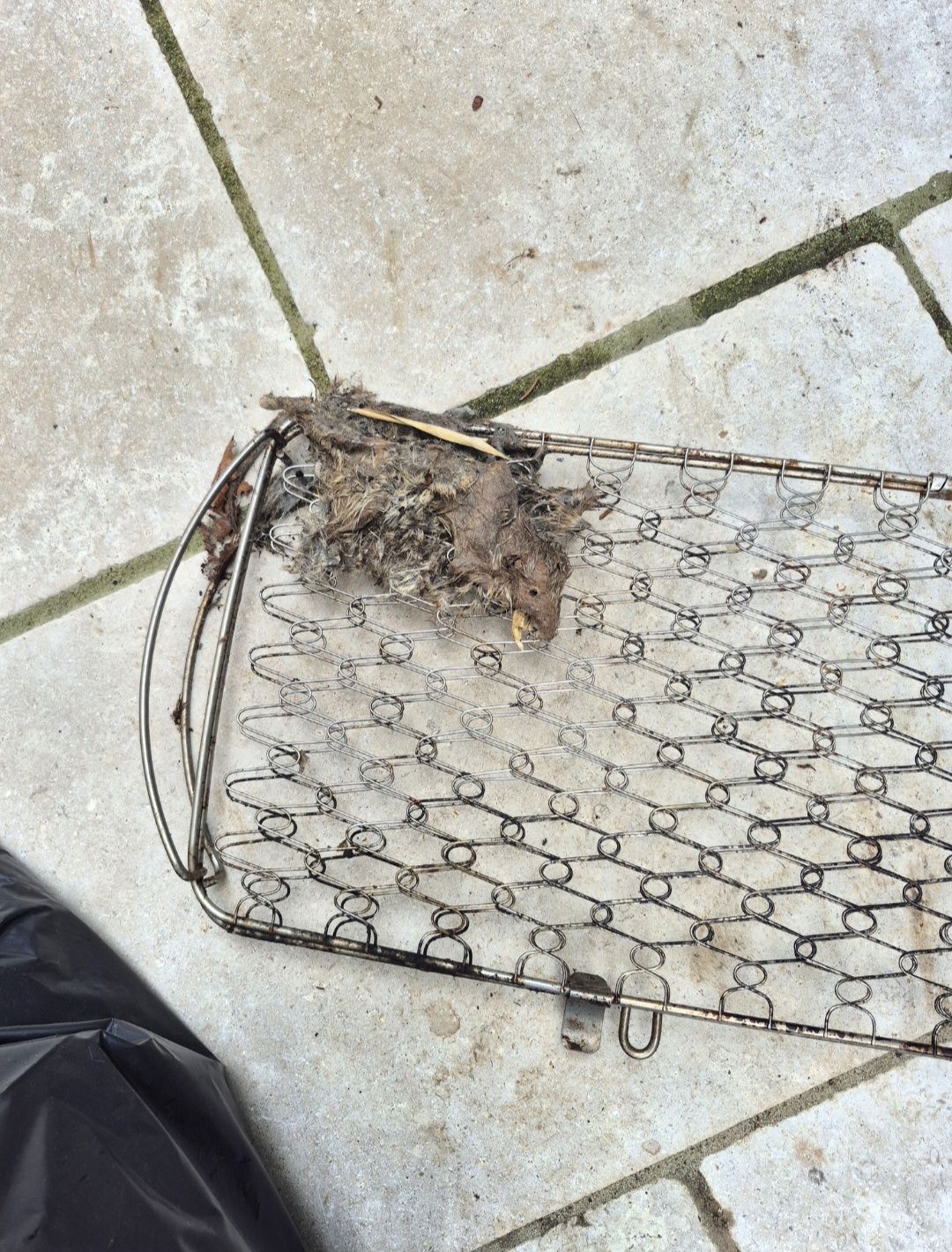
During a recent garden clean-up, a dead rat was found beneath a stored barbecue that had been covered through the colder months. While unpleasant, it highlights a common problem around UK gardens: winter storage can accidentally create warm, sheltered spaces for rats, mice and other pests.
Winter storage protects outdoor equipment from rain, frost and storms, but it can also make hidden areas harder to inspect. Barbecues, garden furniture, storage boxes, sheds and tarpaulins can all become attractive places for rodents if they are left undisturbed for months.
This guide explains how to store outdoor items properly, reduce pest risks and avoid unpleasant surprises when spring arrives.
Why Rodents Are Drawn to Winter Storage Areas
During colder months, rats and mice look for three basic things: shelter, warmth and access to food. A covered barbecue, stacked furniture set or quiet shed can provide exactly that.
The problem is not always the item itself. It is the hidden, undisturbed space created around it.
- Barbecue covers can trap warmth and create sheltered gaps underneath.
- Garden cushions and soft fabrics can be used as nesting material.
- Sheds and garages often contain cardboard, bags, tools and clutter.
- Compost bins, bird seed and food waste can attract rodents nearby.
- Tarpaulins and storage covers can hide activity for months.
The BBQ Storage Problem Most People Miss
Barbecues are one of the most common outdoor items to attract pests over winter. Even when they look clean, small traces of grease, fat, crumbs and cooking smells can remain on grills, trays and drip pans.
Once the barbecue is covered and pushed into a corner, the space underneath can become dark, dry and protected from predators. That makes it appealing to rodents looking for somewhere safe.
Before storing a barbecue for winter, it is worth doing a proper clean rather than simply covering it and leaving it until spring.
- Scrape and clean cooking grills thoroughly.
- Empty ash, food debris and burnt residue.
- Clean drip trays and grease collection areas.
- Remove loose utensils, brushes and covers from inside the BBQ.
- Check underneath the barbecue before and after covering it.
- Leave some airflow around the base where possible.
Do Not Store Garden Cushions Outside Unprotected
Soft garden furnishings are especially attractive to rodents. Cushions, seat pads, blankets and fabric covers can provide warmth and nesting material.
If cushions are left in a damp outdoor box or beneath a loose cover, they can also become mouldy, musty and unpleasant by spring.
Where possible, store outdoor cushions indoors, in a dry garage, loft, utility room or sealed storage box.
- Make sure cushions are completely dry before storage.
- Use sealed plastic storage boxes rather than cardboard.
- Avoid leaving fabric directly on the floor.
- Check boxes occasionally through winter.
- Do not store cushions near bird seed, pet food or compost.
Check Sheds, Garages and Storage Boxes Monthly
A shed or garage can look secure from the outside while still giving rodents easy access through small gaps. Rats and mice can squeeze through surprisingly small openings, especially around doors, vents, pipework and damaged timber.
Instead of locking everything away in autumn and forgetting about it, carry out a quick monthly inspection during winter.
Look for:
- Droppings near corners, walls or stored items.
- Chewed cardboard, plastic or fabric.
- Nesting material such as shredded paper, leaves or insulation.
- Gnaw marks on wood, boxes or cables.
- Unusual smells.
- Disturbed bird seed, pet food or stored dry goods.
Keep Food Sources Away From Stored Equipment
Rodents are more likely to settle where food is nearby. A barbecue might provide shelter, but bird seed, compost, pet food or food waste can be the reason they enter the garden in the first place.
Good winter storage should include food control as well as weather protection.
- Store bird seed in sealed containers.
- Keep pet food indoors.
- Remove fallen fruit from gardens.
- Keep bin lids fully closed.
- Avoid leaving food waste bags outside loose.
- Keep compost bins secure and avoid adding cooked food.
Be Careful With Tarpaulins and Loose Covers
Tarpaulins, barbecue covers and furniture covers are useful, but they can also create hidden pockets of shelter if they are left draped to the ground.
A cover that touches the floor can create a small enclosed space underneath. In winter, that can be enough to attract pests.
When covering outdoor items:
- Keep covers fitted rather than loose and dragging.
- Avoid creating enclosed tunnels or gaps at ground level.
- Lift covers occasionally to inspect underneath.
- Shake out covers before folding or moving them.
- Clean covers before storing them away in spring.
Hidden Areas Worth Checking Before Spring
Some of the worst pest problems are found in places homeowners rarely inspect. These quiet, covered areas can remain untouched for months.
Before spring, check:
- Under barbecues.
- Behind sheds.
- Inside outdoor storage benches.
- Under decking.
- Behind stacked pots or planters.
- Under garden furniture covers.
- Inside garages and outbuildings.
- Behind bins and compost areas.
What To Do If You Find a Dead Rat or Mouse
Finding a dead rodent is unpleasant, but it should be handled carefully. Avoid touching it directly and keep children and pets away from the area.
- Wear disposable gloves.
- Use a bag, shovel or disposable tool to remove it.
- Double-bag the waste securely.
- Clean and disinfect the surrounding area.
- Wash hands thoroughly afterwards.
- Check nearby areas for droppings, nests or further activity.
If you find repeated signs of rodents, strong smells, nesting activity or damage, it may be time to contact a professional pest control service.
Winter Storage Checklist for Homeowners
Before leaving outdoor items for the season, use this simple checklist.
- Clean the barbecue before covering it.
- Empty grease trays, ash and food residue.
- Store cushions indoors or in sealed boxes.
- Keep bird seed and pet food sealed.
- Remove fallen fruit and loose food waste.
- Inspect sheds and garages monthly.
- Lift covers occasionally and check underneath.
- Avoid leaving fabric, cardboard or clutter on the floor.
- Check for droppings, gnaw marks and nesting material.
- Clean outdoor equipment before using it again in spring.
Spring Cleaning Starts Before Winter Ends
The easiest time to prevent a pest problem is before it becomes established. A clean barbecue, dry cushions, secure food storage and regular inspections can make a big difference.
Winter storage is not just about protecting outdoor items from the weather. It is also about making sure those items do not become warm, quiet shelters for pests.
If you are preparing your garden, patio or outdoor cooking area for the new season, it is worth checking hidden spaces first. A few minutes of inspection can save a far more unpleasant clean-up later.
Need Help With Seasonal Cleaning?
If winter has left your home, garden equipment or outdoor areas needing attention, you can compare trusted local cleaners through FindTrustedCleaners.com.
You can also browse local services such as deep cleaning, domestic cleaning, end of tenancy cleaning and oven cleaning.